

-1.jpg?width=1600&name=Banner%20(7)-1.jpg)
.jpg?width=1600&name=RGC%20Gallery%20(3).jpg)


.jpg?width=2000&name=Copy%20of%20MMP%20Website%20Header%20Image%20Template%20(1).jpg)
.jpg?width=1600&name=WMP%20Wonderfully%20Made%20Memorial%20(1).jpg)

.jpg?width=2000&name=Copy%20of%20MMP%20Website%20Header%20Image%20Template%20(2).jpg)
.jpg?width=800&name=Untitled%20design%20(56).jpg)


.jpg?width=1600&height=800&name=Website%20Header%20Banners%20-%201600x800%20(4).jpg)
The history and stories behind Rookwood
Metropolitan Memorial Parks
8 October 2026
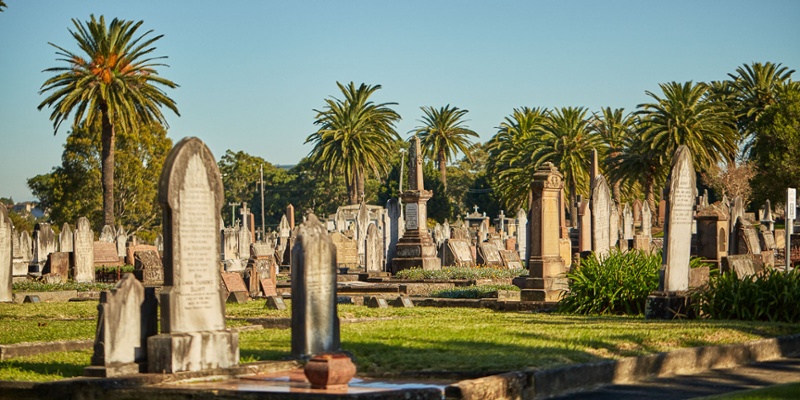
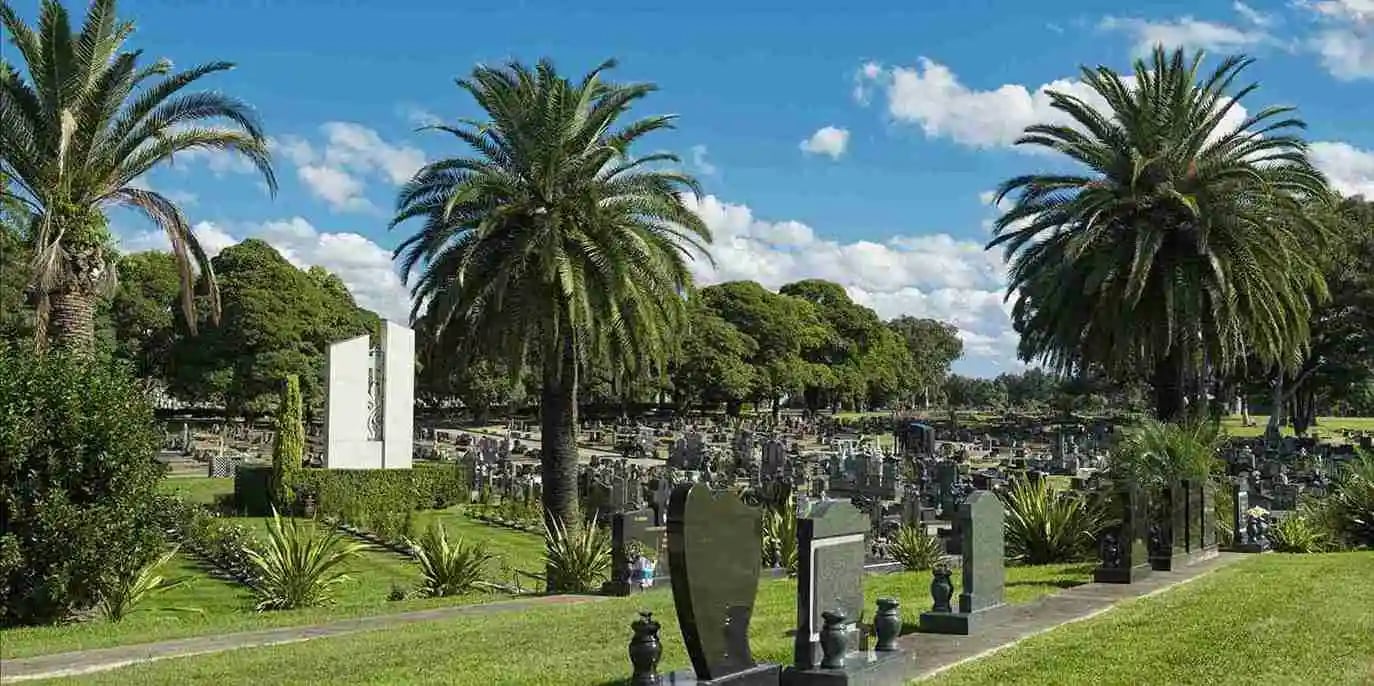
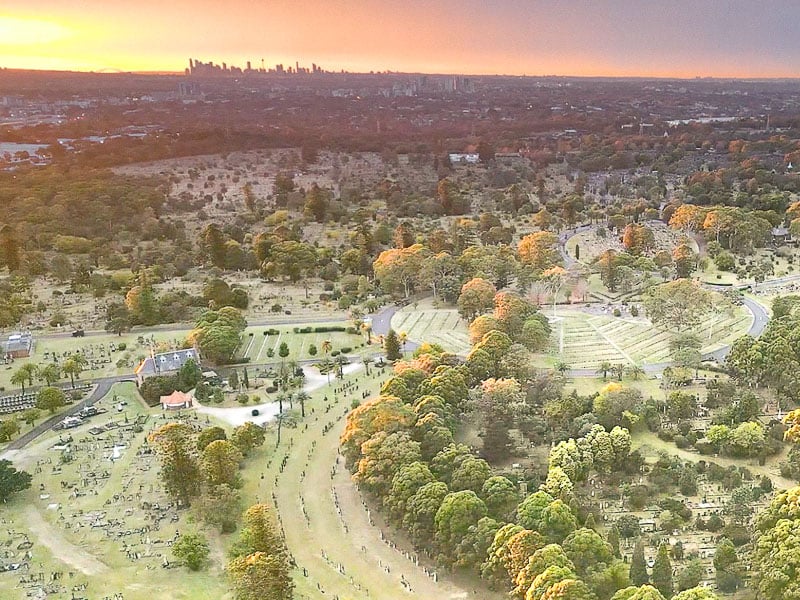
For almost 160 years, Rookwood Necropolis has played a huge role in Sydney's history. Established in 1867, Rookwood was created to meet the growing burial needs of a rapidly expanding city. Today, it remains the largest operating cemetery in the Southern Hemisphere and a significant cultural landscape in Australia.
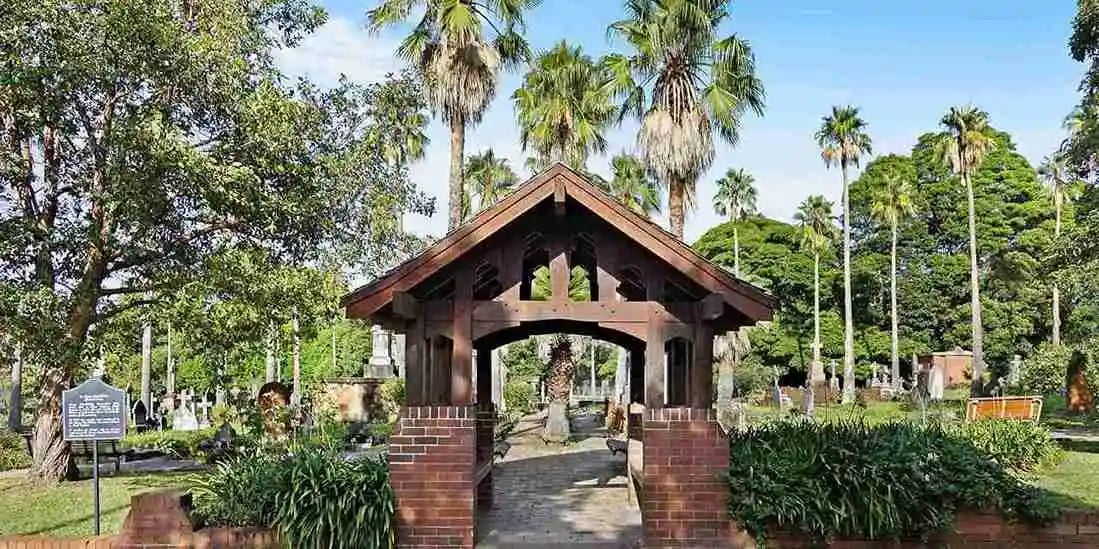
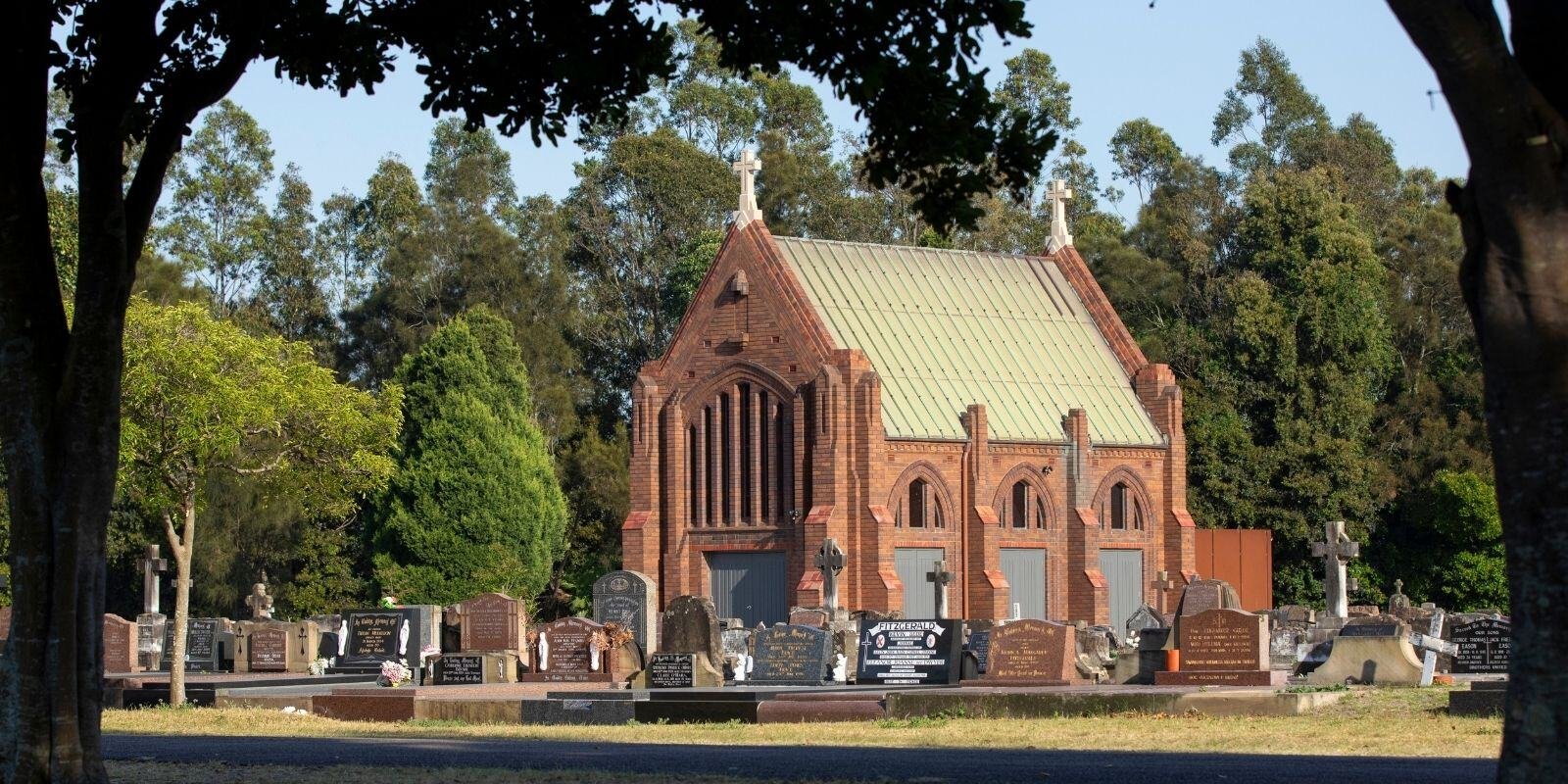
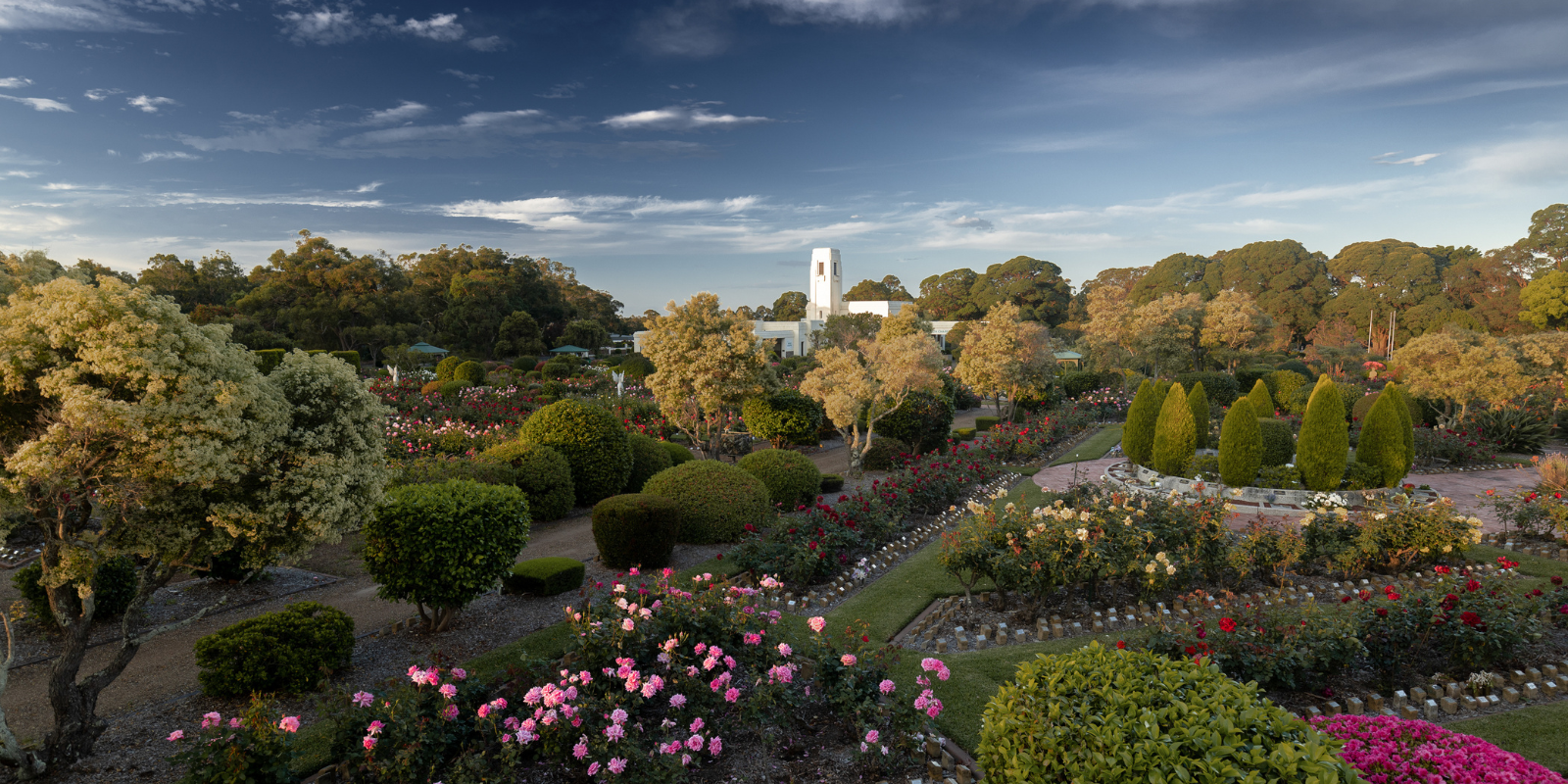
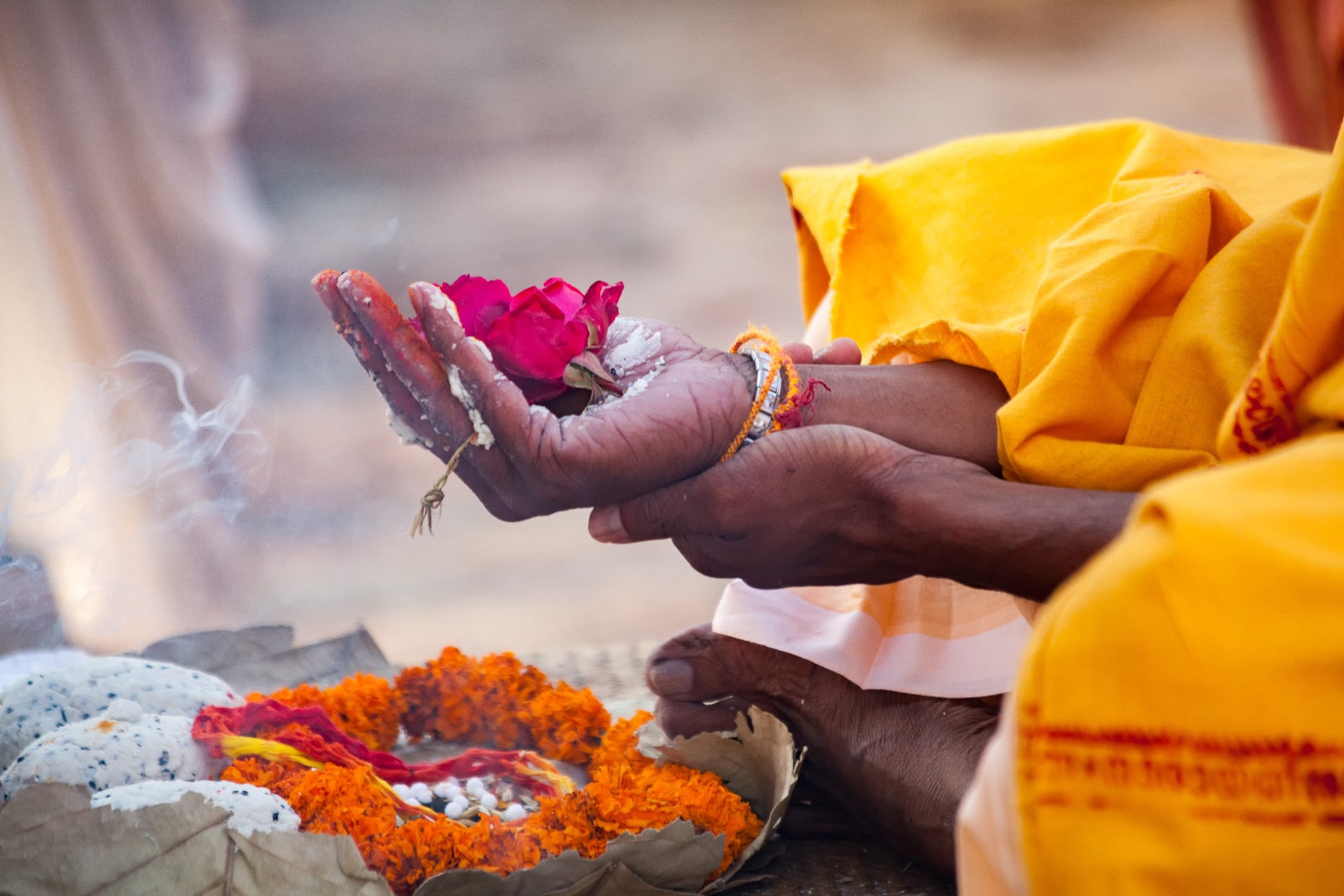
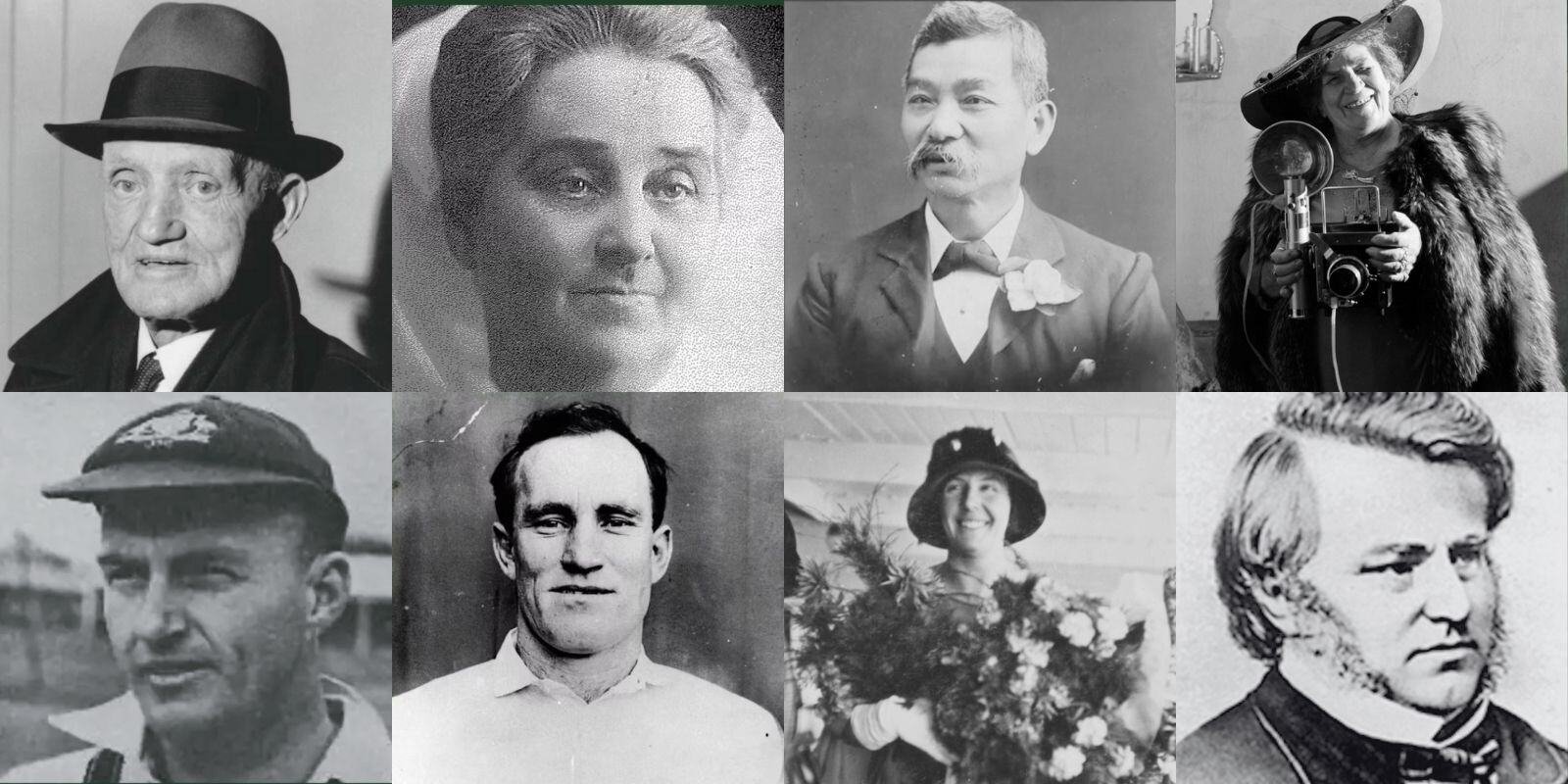
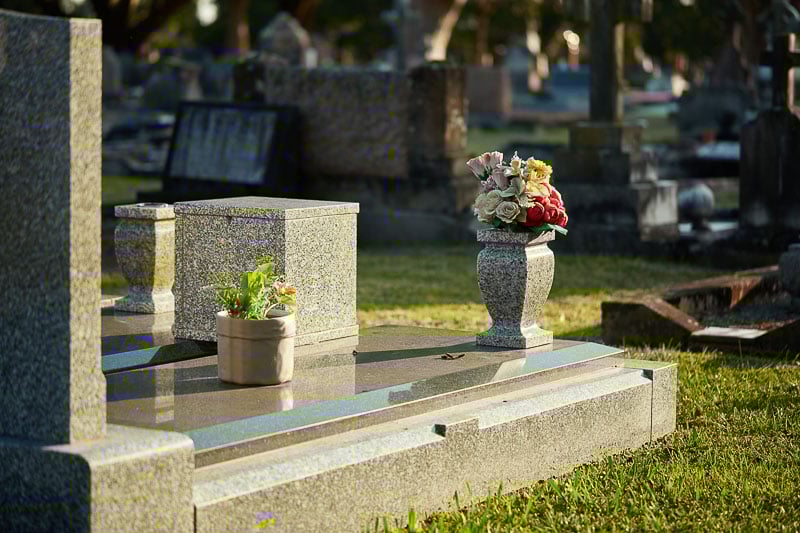
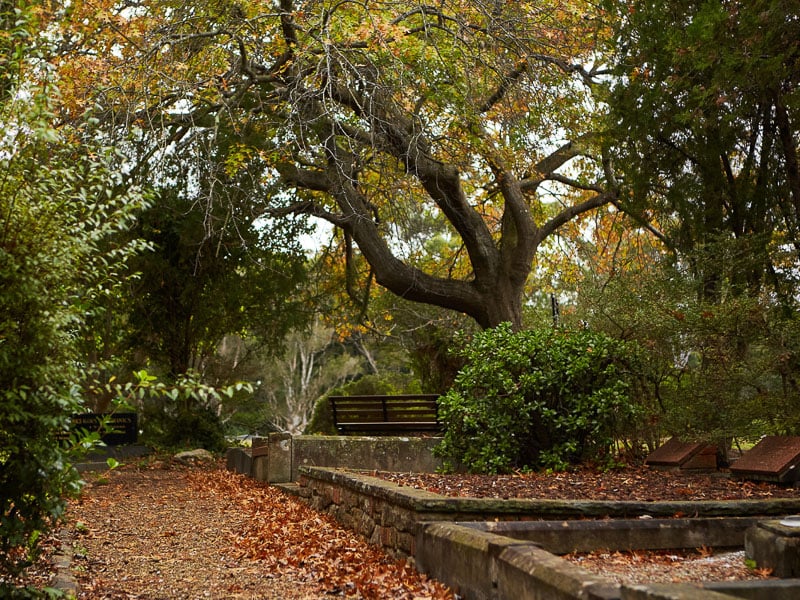
Across its leafy surrounds, Rookwood tells the story of Sydney's people. Its monuments, memorials and burial grounds reflect the city's cultural and religious diversity while preserving the stories of multiple generations.
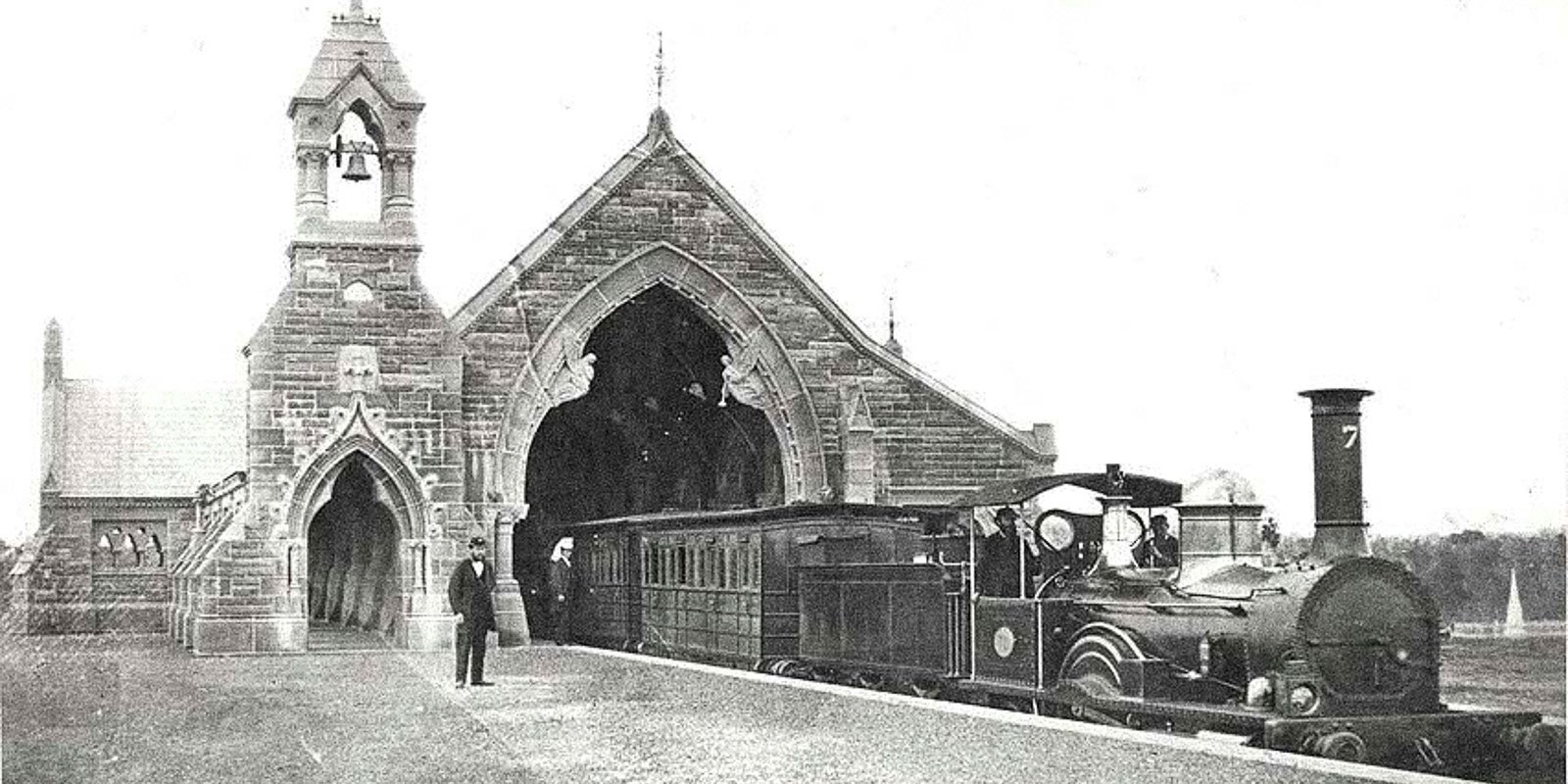
In the nineteenth century, Rookwood’s design was influenced by the Victorian-era garden cemetery movement. Wide curving roads, ornamental landscapes and carefully planned gardens created a place that was both functional and beautiful. People traversed the vast cemetery grounds through an innovative railway network, including four dedicated mortuary stations, two designed by Colonial Architect James Barnet. As one of the few cemeteries in the world with its own internal railway, mourners could travel directly from the city to Rookwood on dedicated funeral trains. For many families, a visit to Rookwood was a day-long outing. Visitors would travel by train, attend funeral services, visit the graves of loved ones, stroll through the landscaped gardens and often picnic within the park-like setting.
As Sydney grew, so did Rookwood. More land was acquired in the late nineteenth century to make sure the cemetery could serve future generations. Major engineering projects, including the great Serpentine Canal, were undertaken to manage drainage while also providing a striking landscape feature for visitors to enjoy. Stretching almost 500 metres, the canal became a beautiful place for the community to walk through and reflect.
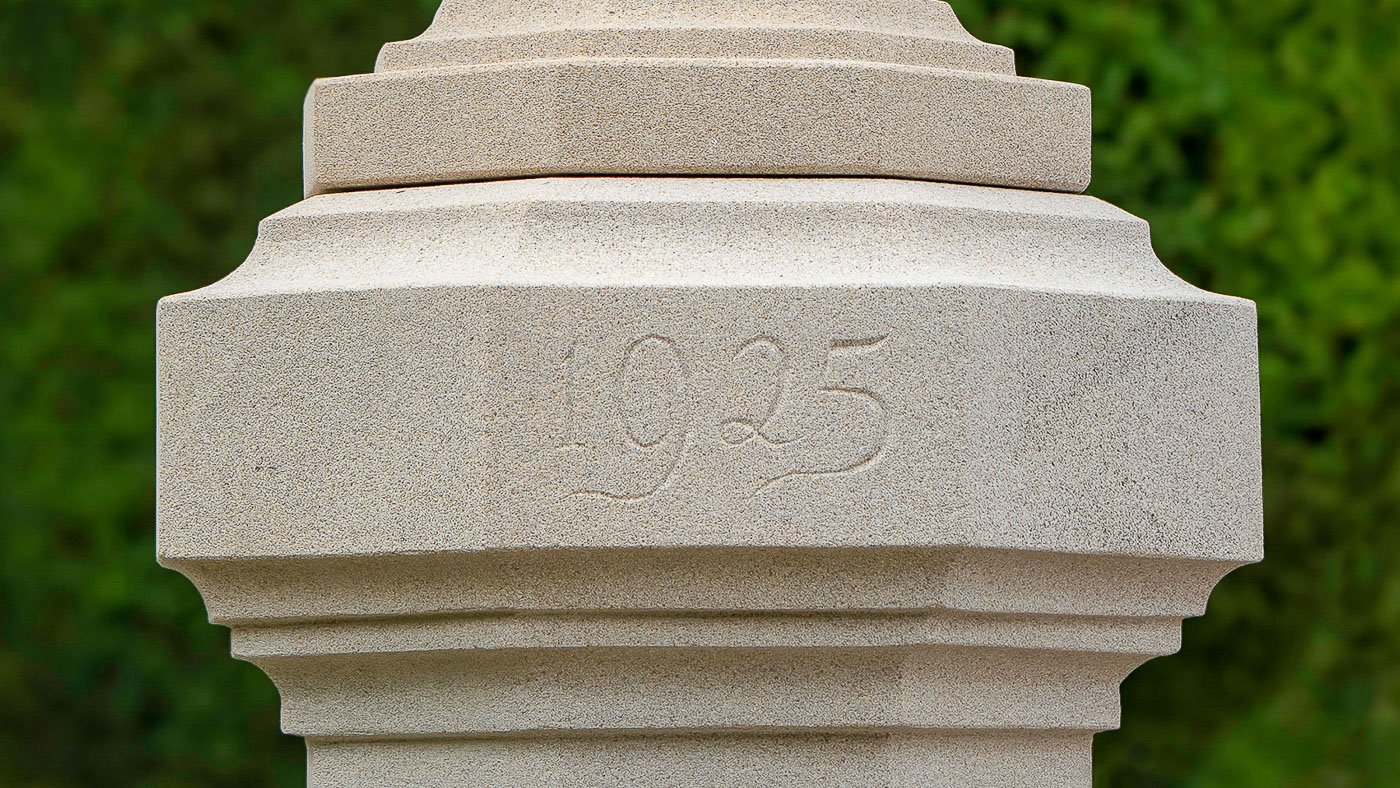
Rookwood has also played an important role in shaping funeral practices in New South Wales. In 1925, the state's first crematorium opened at Rookwood, marking a significant milestone in community attitudes towards cremation. One hundred years later, in 2025, Rookwood Crematorium, Australia’s oldest continuously operating crematorium entered a new chapter under the stewardship of Metropolitan Memorial Parks, bringing this significant heritage landmark back into public ownership.
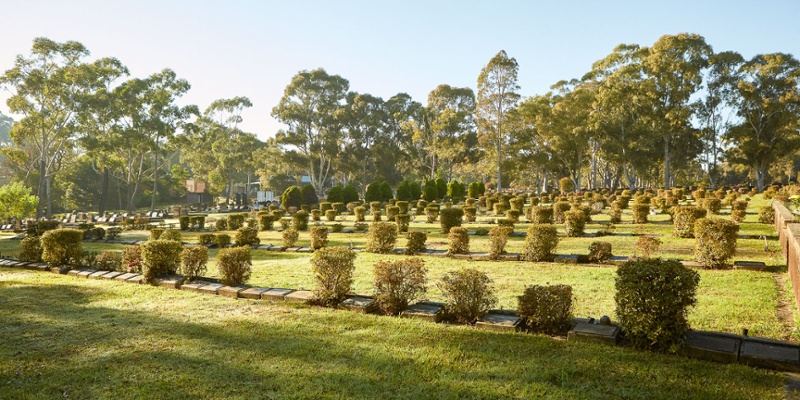
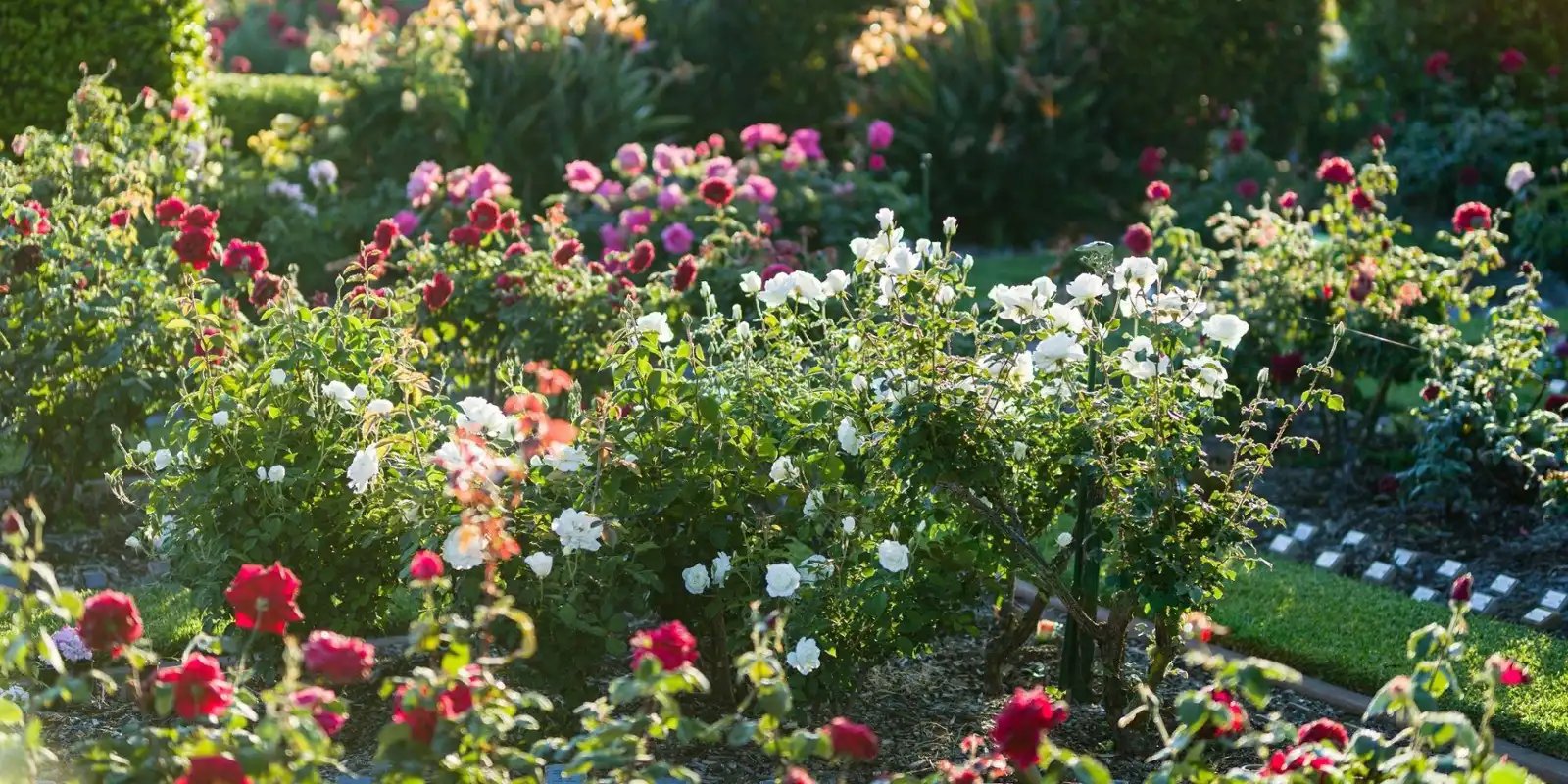
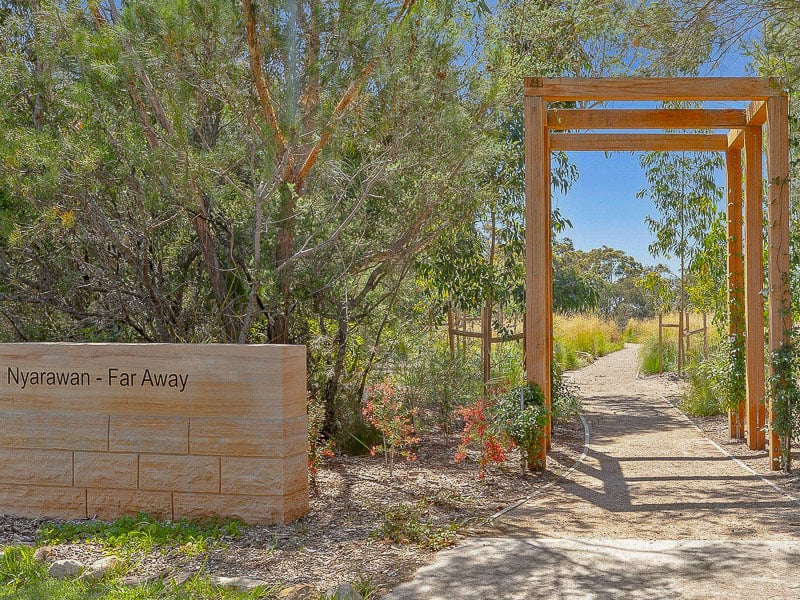
Beyond the beauty of its built architecture, Rookwood is a crucial home to native vegetation. Species such as Kangaroo Grass (Themeda Australis) support finches and parrots and Bunya Pine trees offer seeds as a food source for possums and cockatoos. These natural areas provide important habitats for wildlife, creating a place where nature and remembrance can co-exist peacefully.
Today, Metropolitan Memorial Parks, volunteers and heritage advocates continue to care for and preserve Rookwood's ongoing legacy. Their work varies from restoring historic monuments to maintaining the memorial park for future generations. Rookwood is a multifaceted place as both a scenic landscape for the community and also as a continuing legacy of the people and stories from our shared past.
Watch the video below to learn more about the history of Rookwood.
Related Articles
More about Related ArticlesNo related blogs at this time.